
3 Key Fraud Prevention Security Tips
With more websites, apps, and ways to store your card details, it's important to ensure credit card thieves can't get your information. Follow these simple tips to help keep your private information, private.

1. Refresh the Ways You Guard Your Cards
- Check your debit or credit card when it’s returned after paying for items. Make sure it’s your card that’s returned.
- Don’t give your card number over the phone unless you initiated the call to a merchant you know and trust.
- Don’t respond to emails asking for your account number even if they look to be from your financial institution. Credit or debit card numbers are never used for “personal ID.”
- Check your account frequently. If you notice suspicious activity, report it immediately.
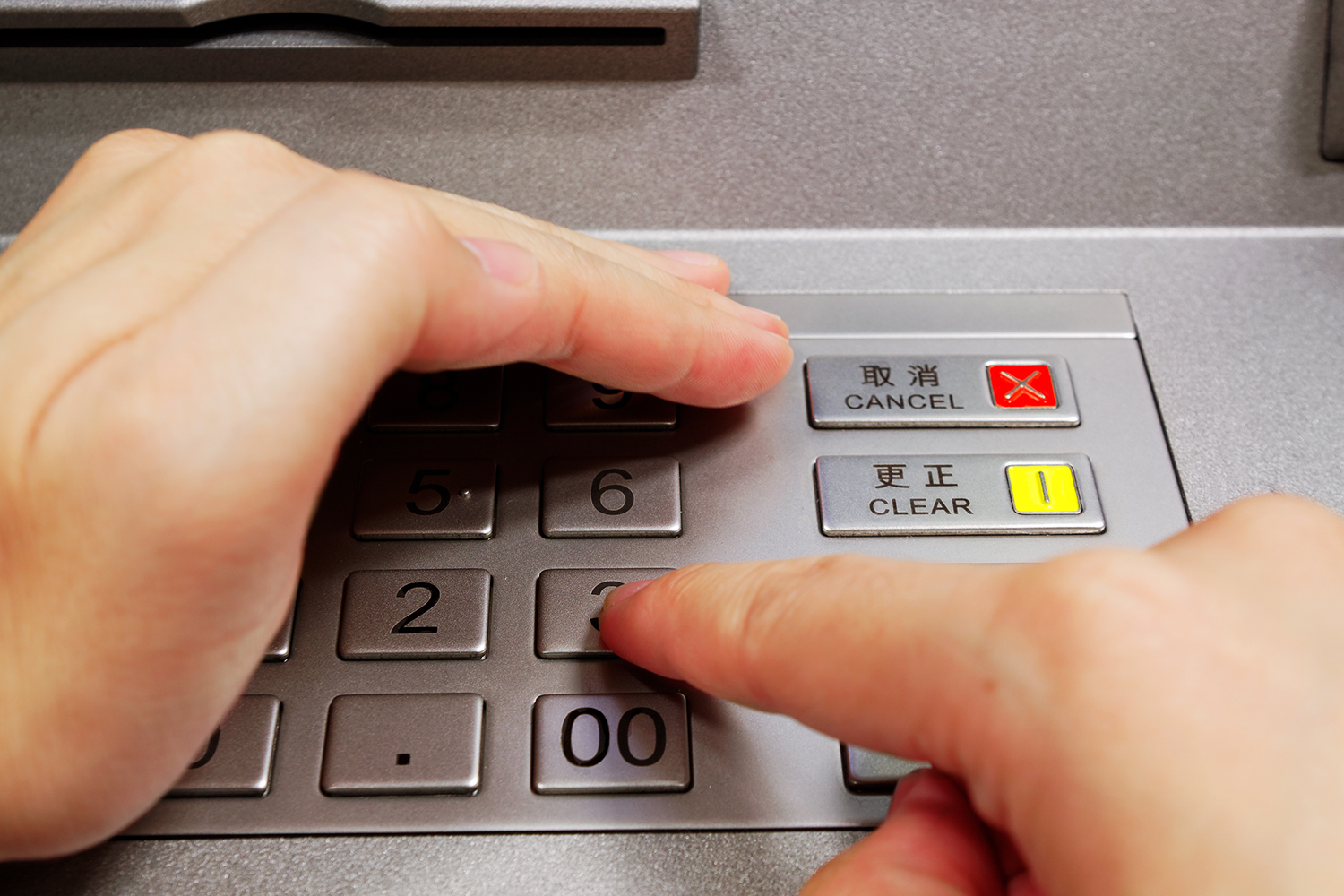
2. Learn the Ways You Can Proactively Protect Your Identity
- Check your free credit report annually from Equifax, Experian, and TransUnion. Set alerts with each credit bureau to receive fraud notifications.
- Update your account user names, passwords, and/or PINs for all your financial accounts. Use a hard-to-guess password, and never use the same password for multiple sites.
- Be wary of phishing emails, texts, and social media messages that imitate legitimate institutions. These are designed to capture your personal information.

3. Check for Tampering at the ATM
- Check for obvious signs of tampering at the top of the ATM, near the speakers, the side of the screen, the card reader, and the keyboard. Look for mismatched colors, misaligned graphics, or anything that doesn’t look right.
- If you have access to multiple machines, compare them. Differences like one ATM having a flashing card slot and another having a plain one could signal an issue.
- If the keyboard feels too thick or unusual, it might be a PIN-snatching overlay.
- Push or wiggle ATM components. ATMs are solidly constructed—loose or jiggling parts may indicate tampering.
- Look for pinholes or small openings that may hide a camera. These could be positioned over your shoulder or elsewhere to capture PIN entries.
Think You May Be a Victim of Fraud?
If you think you are a victim of fraudulent activity, please call us at 800-325-9905 or you can request an in-person appointment to speak with a team member.